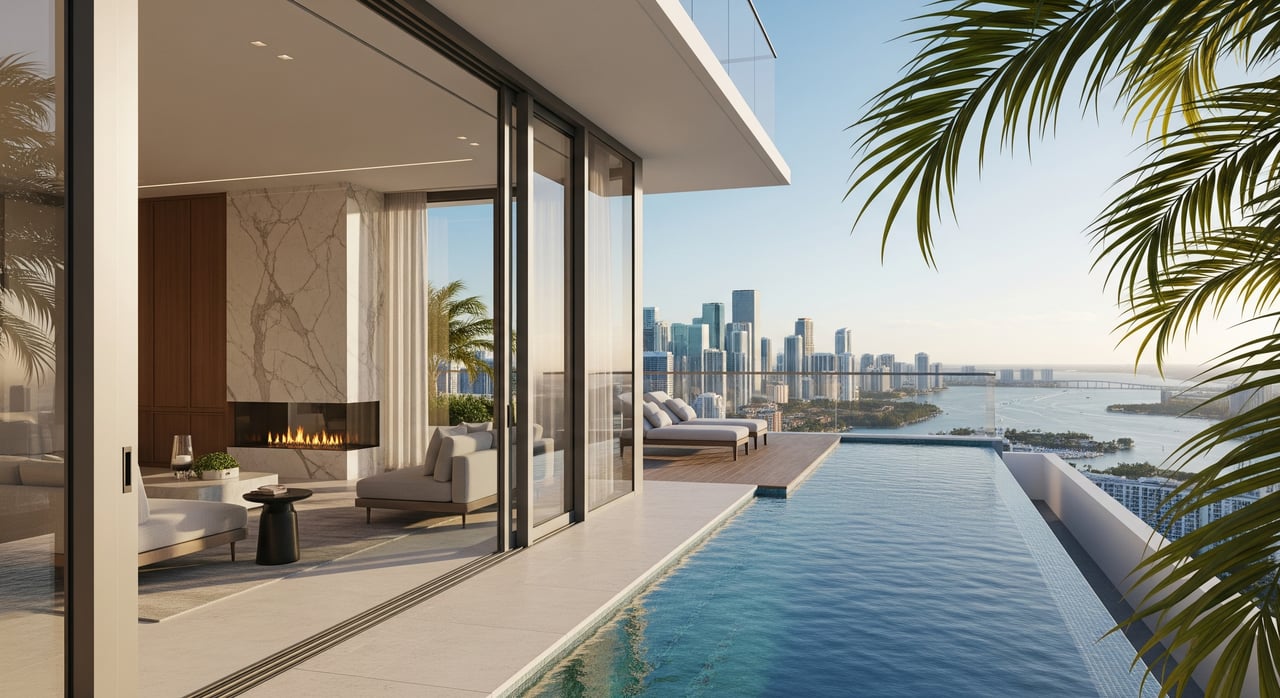
Thinking about buying a branded residence in Brickell, but not sure what the “brand” really gets you? You’re not alone. Between hotel-rental programs, luxury service packages, and deposit schedules, the details can feel complex fast. This guide breaks down how branded condos work in Brickell, what they cost, and how to compare options with confidence. You’ll walk away with a clear checklist and next steps tailored to Brickell’s market. Let’s dive in.
What “branded” means in Brickell
Branded residences are private condos that carry a hotel or lifestyle brand through a licensing or management agreement. Some buildings run full hotel-level operations with on-site staff. Others license design and amenities with a lighter operational footprint. The experience can vary a lot by project.
Buyers choose branded residences for consistent service, prestige, and potential rental income if a building allows hotel-style rentals. Brickell is a prime fit for these offerings. It is Miami’s dense, high-rise financial and residential district with strong demand, walkable access to downtown, and convenient routes to Brickell Key and Key Biscayne. It attracts both domestic and international buyers who value full-service living in a central location.
The key takeaway: branding spans a spectrum. Your costs, use, and resale potential depend on how the brand is structured in the building you choose.
Ownership models you will see
Fee-simple condominium
This is most common. You own a deeded condo unit, and the HOA governs building operations. A brand may manage or license amenities, but residential floors may be owner-controlled. You pay monthly common charges and can sell your unit like a typical condo.
Condo-hotel or rental program
Units can be placed in a hotel rental pool and rented nightly. Participation can be optional or mandatory for certain towers or floors. Revenue is split after management fees, and performance depends on occupancy and nightly rates. Expect different tax treatment, higher wear-and-tear, and possibly higher insurance and operating costs.
Fractional or shared ownership
Less common in Brickell high-rises. Multiple owners share usage and management rights. Rules and financing differ from standard condos.
Ownership via an entity
Many buyers use LLCs or trusts for privacy and planning. Check HOA rules and consult qualified advisors to understand mortgage, tax, and insurance implications.
Before you commit, confirm:
- Whether the unit is a standard deeded condo or part of a hotel rental pool.
- Whether the rental program is optional or mandatory, and for how long.
- Who manages day-to-day operations and the length of any brand or management agreements.
- Key rules under Florida’s Condominium Act (Chapter 718) and what your condominium documents require.
Costs and premiums to plan for
Branded residences often carry a purchase price premium over comparable non-branded condos. Industry analyses commonly cite a range of roughly 10 to 30 percent, depending on brand strength, amenity depth, and location. You pay for the identity, service standards, and quality controls that come with a recognized name.
Monthly operating and service fees
Expect higher common charges. Many buildings layer branded service packages on top of HOA dues, such as concierge access, housekeeping, spa use, or dining benefits. Condo-hotel programs may include separate management, reservation, and marketing fees. Ask for a full breakdown of what is included in HOA fees versus à la carte services.
One-time closing and developer fees
Plan for developer transfer or community fees, a working capital contribution to the HOA, and any initiation fees for private amenities. For pre-construction, review deposit schedules and any assignment fee if you plan to resell the contract before closing.
Resale and liquidity
A strong brand can support demand and pricing in the luxury segment, but outcomes depend on overall market conditions, developer quality, and ongoing operations. Buildings with unclear budgets, weak reserves, or rigid management agreements can be tougher to finance or resell. Ask for audited financials when available.
What the brand really controls
A brand’s role can range from full-time operator to a limited licensor.
- Full operator and on-site management: The brand runs daily services like dining, spa, and housekeeping. This can mean strong service consistency, but management agreements often last many years and define changes or termination rights.
- Licensor only: The brand provides standards and marketing while a third party operates the property. Service levels depend on the operator’s execution.
- Branded-only: The brand name is licensed for identity or select spaces with minimal operational involvement. Buyers should review how any promised standards are enforced.
Request and review:
- The franchise or license agreement and service standards.
- The property or hotel management agreement, including term length and owner protections.
- Any disclosures on whether the brand has an equity stake or is strictly a licensee.
How top brands differ: a quick lens
Every project is unique. Use this as a framework, then verify the exact structure and services in the building you are considering.
- St. Regis: Ultra-luxury positioning with heritage service features and global marketing strength.
- Baccarat: Design-forward identity rooted in luxury craftsmanship with opulent interiors and curated experiences.
- Cipriani: Hospitality centered on dining and social spaces, often with club-like exclusivity.
- Mandarin Oriental: Known for high-touch spa culture, calm design, and top-tier urban service standards.
For each brand, ask: Are residential services separate from hotel guests? What service levels are guaranteed in writing? Who operates on site, and for how long?
Pre-construction vs resale in Brickell
Pre-construction: how it works
You sign a purchase agreement, make staged deposits, and close when the certificate of occupancy is issued. You might select finishes or upgrades. Some contracts allow assignment before closing, sometimes with a fee.
- Advantages: Early pricing, wider floor plan choice, and new-home warranties.
- Risks: Delivery timing, plan changes, developer financing risk, and brand-agreement modifications during construction. Market conditions can change between contract and closing.
What to review:
- The developer’s track record and deposit terms.
- Brand and management agreements, including term lengths and service scope.
- Assignment rights, fees, and any restrictions.
Resale: how it works
You can evaluate actual building performance. Resales often include access to HOA budgets, reserve studies, meeting minutes, and audited financials.
- Advantages: Real data on operating costs, a known track record, and less construction risk.
- Drawbacks: Older finishes, potential for special assessments, and less customization.
What to request:
- Historical HOA budgets and audited financials.
- Reserve balances and any special assessments.
- If condo-hotel, historical occupancy and revenue data for the rental pool.
Due diligence checklist for Brickell buyers
Use this list to keep your review organized.
Legal and contractual
- Condominium declaration, bylaws, and rules.
- Draft purchase agreement for pre-construction.
- Franchise or license agreement and property management agreement.
- Rental program agreement and participation rules, if applicable.
- Developer warranties, completion timelines, and assignment provisions.
Financial
- Current HOA budget and monthly fee breakdown.
- Reserve study and fund balances.
- Audited financials for resales.
- Hotel operations statements if a rental pool exists.
Operations and access
- Staffing levels, service hours, and housekeeping scope.
- Amenity access rules for residents versus hotel guests or club members.
- Marketing and reservation practices for owner inventory in condo-hotel models.
Property condition and compliance
- Certificate of occupancy status and permits.
- Structural and engineering reports for completed buildings.
Taxes, insurance, and rules
- Property tax history and disclosures on special assessments.
- Master insurance coverage and deductibles.
- Local rules on transient rentals and short-term use.
Negotiation ideas
- Transparency clauses for developer-funded reserves or deposit handling.
- If rental income projections are offered, request supporting data and assumptions.
Financing and international buyer notes
Many lenders work with non-resident buyers, though terms vary. Foreign buyers often need larger down payments, sometimes in the 20 to 40 percent range depending on the lender, borrower profile, and property type. Condo-hotel units can be harder to finance and may carry lower loan-to-value limits.
For pre-construction, you typically fund deposits during the build and secure your mortgage at closing. Make sure your lender accepts the project and understands its brand or rental structure.
For taxes and planning, non-U.S. buyers should consult qualified legal and tax advisors. U.S. income and estate tax rules can differ for nonresidents. Many buyers use LLCs or trusts for privacy and planning, but entity ownership can affect mortgages, taxes, and insurance. Confirm that the HOA allows entity ownership and review any specific conditions.
How to read the marketing with a critical eye
Branded marketing often highlights lifestyle imagery, service promises, or income potential. Ground your decision in the documents and data.
- Ask for the management and brand agreements that make the service promises enforceable.
- Request historical performance data for comparable projects by the same operator, if you are evaluating a rental program.
- Verify whether residential-only lobbies and amenities are deeded and operationally separate from hotel guests, if privacy is a priority.
- Confirm what remedies exist if brand standards slip over time.
Next steps
Branded residences in Brickell can deliver an exceptional lifestyle and strong market positioning. The value, though, sits in the details: the ownership model, the true scope of brand involvement, and the financial structure behind the scenes. With a clear framework and the right documents in hand, you can compare options and move forward with confidence.
If you want private guidance on pre-construction launches or luxury resales in Brickell, our family-led team can help you review agreements, decode fee structures, and align the right brand experience with your goals. For curated access and white-glove service, connect with The Cofresi Group.
FAQs
What is a branded residence in Brickell?
- A privately owned condo that carries a hotel or lifestyle brand through a licensing or management relationship, often with elevated services and amenities.
How much more do branded residences cost?
- Industry analyses often show a premium of roughly 10 to 30 percent over comparable non-branded condos, depending on brand strength and amenities.
What is the difference between a condo-hotel and a standard condo?
- A condo-hotel allows units to enter a hotel rental pool with nightly guests and revenue sharing, while a standard condo is owner-occupied or leased under typical condo rules.
What should I check before buying pre-construction in Brickell?
- Review the developer’s track record, deposit and assignment terms, brand and management agreements, and any service standards promised in writing.
What documents can I review for a resale unit?
- Ask for HOA budgets, reserve studies, audited financials, meeting minutes, and any hotel operations data if the building has a rental program.
Are international buyers able to finance branded condos?
- Many lenders work with non-resident buyers, though down payments are often higher and condo-hotel units can be harder to finance.