If privacy, service, and the water are your nonnegotiables, two Miami enclaves likely top your list: a Golden Beach waterfront estate or a Sunny Isles luxury residence. Each offers a prime coastal lifestyle, but the experience, rules, and long-term considerations differ in important ways. You want clarity on privacy controls, dock potential, permitting, rental rules, and value resilience. This quick guide breaks it down so you can choose with confidence. Let’s dive in.
Estates vs. towers at a glance
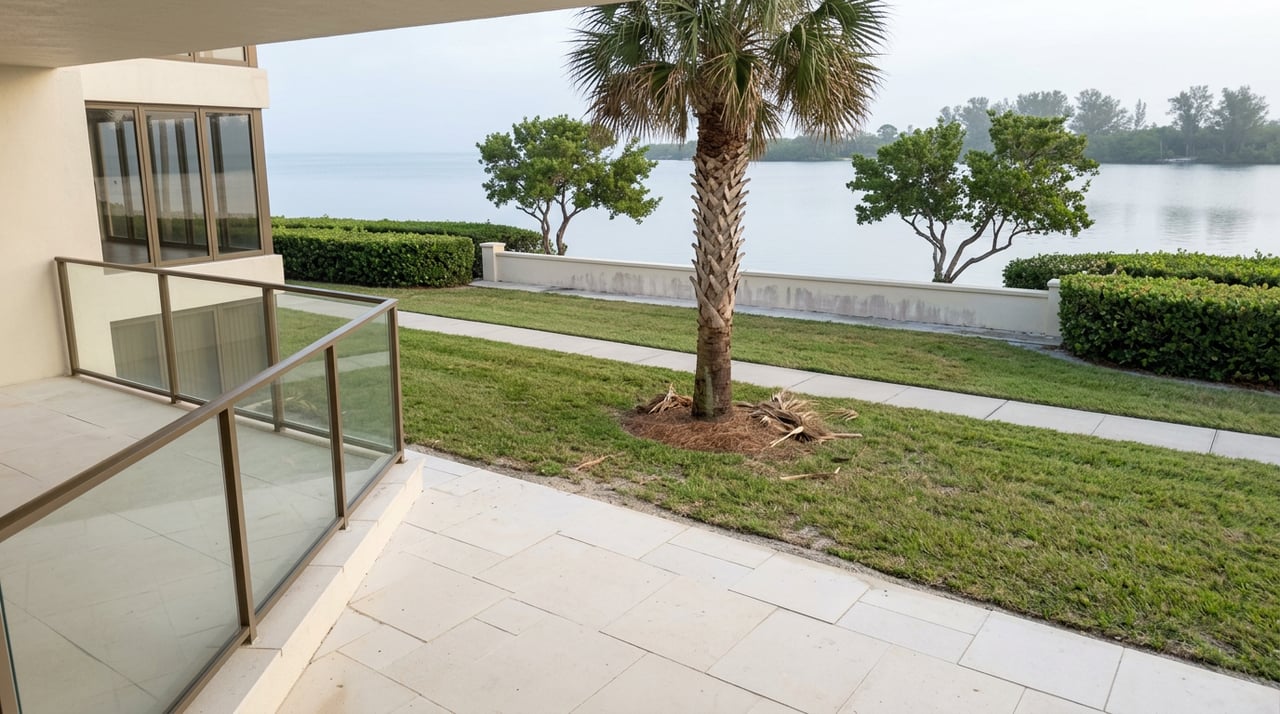
Golden Beach is a small, low-density town known for single-family oceanfront and Intracoastal estates. The community maintains its own town services and facilities for residents, and ownership is largely traditional homes on land rather than vertical living. You can explore the town’s identity and services on the official Golden Beach site.
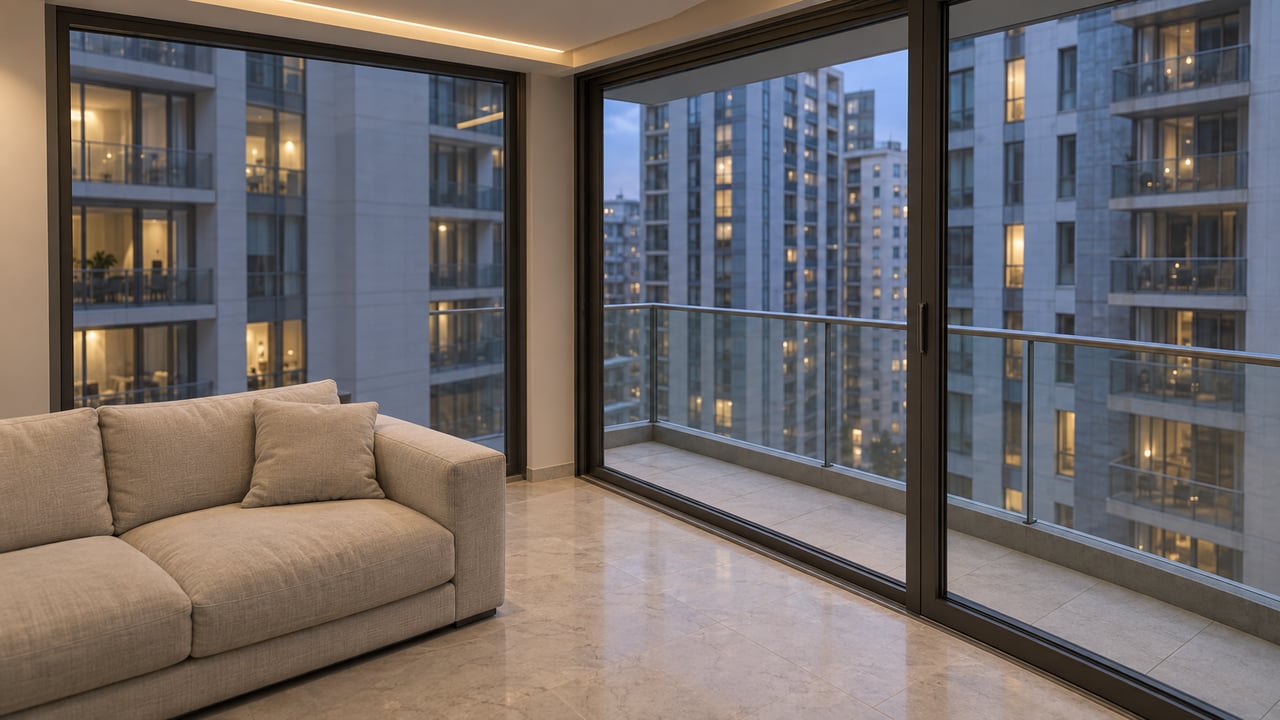
Sunny Isles Beach is a high-rise, amenity-rich city with luxury branded towers, mid to high-rise buildings, and some townhouse pockets. Think concierge living, resort-style amenities, and a strong international buyer base. City operations and permitting are scaled to vertical development and resident services in an active beachfront setting.
Privacy and beach access
Golden Beach prioritizes privacy through municipal controls. The town enforces residents-only use of its Beach Park and facilities, with ID requirements and guest limits outlined in the Beach Area rules. Owners receive town ID cards and vehicle transponders as part of the access system. This structure helps preserve a quieter, more controlled beachfront experience for homeowners and their guests.
Sunny Isles offers public beaches by Florida law seaward of the mean high-water line. Privacy comes from your building’s curated beach services instead of municipal exclusion. Luxury towers commonly provide resident-only chair and cabana zones, attendants, and food and beverage, which deliver a private-club feel on a public shoreline. If you are comparing buildings, confirm what beach services are included in HOA fees versus billed per use.
Security and town or city services
Golden Beach operates its own municipal police department with local access protocols tied to resident IDs and transponders. That fosters a small-town security model familiar to estate buyers. Town rules and codes are found in the Golden Beach Code of Ordinances.
Sunny Isles runs citywide public safety and ocean rescue to serve a high-activity beachfront community. Tower security is layered on top, which means staffed entrances, concierge desks, and controlled elevators are standard in many buildings. City permitting and services are aligned with larger buildings and active public spaces, and you can review processes through the Sunny Isles Building Department.
Permitting and local rules
If you plan renovations, additions, or waterfront improvements, both locations require a structured approach.
- Golden Beach: Permits start with the town’s Building and Zoning team, and you must comply with the town code. For any waterward work, you should also expect separate county, state, and federal reviews.
- Sunny Isles: Permitting flows through the city’s Building Department with modernized workflows designed for multi-family and high-rise contexts. Condo association rules layer on top and can be as important as the city permit.
Short-term rentals take different shapes, especially if you are evaluating income potential. Sunny Isles requires registration for short-term single-family vacation rentals and publishes a city registration form and rules. In towers, you also need to examine association bylaws that can further restrict short-term stays. Golden Beach’s resident-only access and close-knit town structure make a broad STR strategy less compatible with the community model, so buyers should verify current allowances in the town code before planning rentals.
Dockage and boating potential
If you want your boat steps from your living room, Golden Beach’s single-family waterfront lots are usually the more straightforward path. Many properties feature private water frontage suitable for an owner-controlled dock or lift, subject to permitting and waterway constraints. For large vessels, confirm allowable dock length, setbacks, and nearby channel width before you buy.
Sunny Isles ownership is commonly vertical. Some bayfront towers or inland enclaves have marina berths or agreements, but deeded large slips attached to a condo unit are less common than on a single-family waterfront lot. Always confirm whether a building includes deeded or assigned slips, whether leases are available, and what association rules govern vessel size or permanent berthing.
For any seawall, dock, dredge, or pile-driving work in Miami-Dade, plan for multi-agency review. Expect classification under county environmental rules, possible mangrove protections, and coordination with state and federal agencies. The county provides guidance on permitting categories and exemptions through Miami-Dade DERM resources. Build a timeline that accounts for surveys, engineering, and environmental conditions.
Long-term value and risk
You are balancing two value stories that perform well for different reasons.
- Golden Beach: Value concentrates in land scarcity, privacy, and deeded waterfront footage. Owners control their capital projects, which can be large but are not subject to association-wide special assessments. Expect to plan for seawalls, elevation, roofs, and impact windows over a long hold.
- Sunny Isles: Value leans on brand demand, amenity-rich living, and a liquid condo market with many buyers and frequent trade. Carrying costs include HOA fees, and older buildings can face special assessments for structural work or recertification. Scrutinize building records and reserves before you commit.
Sea-level rise and flood risk are material for both. Miami-Dade and nearby cities reference unified sea-level rise projections in planning, as shown in local adoption materials and the county’s sea-level rise recommendations. On a property-by-property basis, verify the current FEMA flood zone and elevation, then obtain flood insurance quotes. The FEMA Flood Map Service Center is the authoritative source for maps.
High-rise ownership carries an additional variable: building recertification and structural health. Some South Florida towers have faced increased attention on settlement and capital needs, which can lead to assessments and timelines for upgrades. Review association financials, reserve studies, and recent engineering reports. For context on the topic’s regional salience, see industry coverage cited in sources such as HawkinsCRE.
Which lifestyle fits you
Choose Golden Beach if you value:
- A low-density, estate neighborhood with residents-only beach facilities.
- Direct control over your home, dock, and seawall planning.
- A quieter setting with town-level access controls and services.
Choose Sunny Isles if you prefer:
- Vertical living with five-star amenities and on-site services.
- A branded-residence experience and a lively, international scene.
- A market with diverse price points and more frequent resale activity.
Both paths can be excellent long-term choices. Your best fit comes down to the balance you want between privacy, service, and control of capital projects.
Buyer checklist for Miami-Dade waterfront
Use this quick list before you decide:
- Confirm the correct Golden Beach. There is a Golden Beach on Sanibel in Lee County and the Town of Golden Beach in Miami-Dade. Start with the official Golden Beach site to confirm the Miami-Dade jurisdiction.
- Pull FEMA flood maps and request an elevation certificate. Begin at the FEMA Flood Map Service Center.
- Verify dock and seawall feasibility. Check your town or city building department, then review county classifications through Miami-Dade DERM guidance. Ask whether state or federal approvals apply.
- For a Sunny Isles condo, request full association financials, reserve study, recent recertification or structural reports, and parking or dock allocation rules. Confirm STR limits with both the city’s registration framework and your specific association bylaws.
- For a Golden Beach estate, review the Beach Area rules, plus any town assessments or planned capital projects. If shoreline boundaries matter, order a survey that shows the mean high-water line.
Ready to weigh specific properties or tower options that match your goals? Our team can help you compare floor plans, site conditions, and long-term holding costs in both locations. For discreet, multilingual guidance and access to premier inventory, connect with The Cofresi Group.
FAQs
Can Golden Beach restrict beach access to residents?
- The town enforces residents-only rules for its Beach Park and town-operated facilities, with ID and guest limits, as outlined in the Beach Area rules. Public trust rights seaward of the mean high-water line are a separate legal matter.
What is the easiest setup for a private boat owner?
- Golden Beach single-family waterfront lots often allow owner-controlled docks, subject to permitting and waterway limits. Sunny Isles condo ownership may rely on building marinas or nearby berths, so always verify slip availability, rules, and county permitting through Miami-Dade DERM.
How do short-term rentals differ between the two?
- Sunny Isles requires short-term single-family rentals to follow a city registration process and rules using the published registration form. In towers, building bylaws often add stricter limits. Golden Beach’s governance model is less compatible with STRs, so verify current allowances in the town code before planning rentals.
What should I check before planning a dock or seawall?
- Start with your local building department, then review county classifications and exemptions via Miami-Dade DERM. Some projects also trigger state or federal approvals, so plan for surveys, engineering, and environmental conditions.
How should I think about long-term value and flood risk?
- Both locations benefit from strong buyer demand, but risk profiles differ. Plan around flood zones, elevation, and sea-level rise projections referenced in local planning materials, and for towers, add a review of structural reports, reserves, and possible assessments.