If you want a Miami lifestyle that feels plugged into the city every day, Downtown’s emerging cultural corridor stands out fast. This stretch of the urban core blends waterfront parks, major arts venues, arena events, transit access, and amenity-rich high-rise living in one compact setting. For buyers considering a residence here, the appeal is not just what you can own, but how you can live. Let’s take a closer look.
What the cultural corridor means
Downtown Miami is no longer best understood as a traditional business district. According to the Miami Downtown Development Authority, the area spans 2 square miles and includes more than 101,000 residents, 155,000 jobs, 200-plus residential buildings, and more than 8,100 hotel rooms.
That scale matters because it creates a true mixed-use environment. In practical terms, the cultural corridor is the waterfront and arts-oriented stretch that connects the Arts & Entertainment District, Museum Park, Bayfront Park, and the edge of the Central Business District toward Brickell.
Why this area feels different
What sets this part of Downtown apart is the overlap of daily life and destination experiences. You are not choosing between arts, open space, dining, events, and transit. In this corridor, those elements sit close together and shape the rhythm of the neighborhood.
That creates a more layered lifestyle than a single-purpose district. One day might include a waterfront walk, a museum visit, and dinner nearby. Another might center on a performance, a major game, or a large public event.
Arts anchors along Biscayne Boulevard
The corridor’s identity starts with its cultural institutions. Along Biscayne Boulevard, several major venues give the area year-round activity and a strong public-facing character.
Adrienne Arsht Center
The Adrienne Arsht Center at 1300 Biscayne Blvd. is one of Downtown’s signature venues. The Miami DDA notes that it presents close to 400 events each year, including jazz, flamenco, and theater programming.
For residents, that means culture is not occasional here. It is part of the regular calendar, with a venue that is also accessible by major public transportation.
Pérez Art Museum Miami
Pérez Art Museum Miami, at 1103 Biscayne Blvd., sits between the Arsht Center and Kaseya Center. Its location helps define the corridor as more than a commercial district.
Because PAMM is positioned on the waterfront near Museum Park, it gives this part of Downtown a museum-and-park atmosphere. That changes how the neighborhood feels on foot and adds a calmer, more civic dimension to the skyline.
Frost Science
The Phillip and Patricia Frost Museum of Science at 1101 Biscayne Blvd. adds another major destination to the same cluster. It sits in Maurice A. Ferré Park, directly adjacent to the Museum Park Metromover station.
That location is important if you are thinking about convenience. Frost Science strengthens the idea that the Museum Park side of the corridor is easy to enjoy without relying on a car for every outing.
Waterfront living with real public space
One of the biggest advantages of this corridor is access to the bayfront. In many cities, luxury towers dominate the view but public waterfront space can feel limited. Here, parks and promenades are part of the experience.
Bayfront Park
Bayfront Park at 301 Biscayne Blvd. is a 32-acre waterfront city park. The City of Miami describes it as a place with greenery, paved paths, a small sand beach, monuments, and open views.
That gives residents something many dense urban cores struggle to offer. You get a major public park woven into everyday Downtown life, not placed far outside it.
Baywalk and Riverwalk
The Miami DDA says the Baywalk and Riverwalk form one corridor for walking and biking along Biscayne Bay and the Miami River. It also reports that the Baywalk is 89% complete and the Riverwalk and greenway are 68% complete.
The key takeaway is that Downtown is highly walkable and becoming more connected over time. It is best described as increasingly seamless, rather than fully complete in every section today.
Events bring energy and visibility
This corridor is not quiet in the traditional sense. It is active, public, and event-driven, which is part of its value for many buyers.
Kaseya Center
Kaseya Center at 601 Biscayne Blvd. is the home of the Miami HEAT and a major entertainment venue. The arena says it hosts more than 80 non-basketball events each year.
That means concerts and large-scale events are a regular part of the district’s pulse. If you enjoy living where something is always happening, that can be a major advantage.
Festival and public event setting
Bayfront Park also plays an outsized role in the city’s event calendar. The Bayfront Park Management Trust says it hosts concerts and special events, and Ultra Music Festival continues to identify Bayfront Park in Downtown Miami as its venue.
For buyers, this is worth viewing realistically. Event days can bring extra excitement, but they can also mean more traffic, more pedestrians, and tighter crowd management around Bayfront Park, Kaseya Center, and the Arsht Center.
A car-light lifestyle is realistic here
For many urban buyers, convenience is about more than address prestige. It is about whether you can move around easily without making every trip a driving trip.
Downtown Miami offers one of the strongest car-light stories in the region because several transit systems overlap in the same urban core. That can make day-to-day living more flexible, especially if you value walkability and regional access.
Free Metromover access
Miami-Dade says Metromover is free, runs seven days a week, and serves 21 stations across Downtown, Omni, and Brickell. Major destinations include Kaseya Center and Bayside Marketplace.
For residents in this corridor, that translates into practical mobility. You can often connect key stops, dining areas, cultural venues, and business destinations without using a car.
Broader transit connections
The Miami DDA also points to free Miami Trolley routes, Metrorail access, and Metrobus connections to major shopping, entertainment, and cultural centers. That network broadens the usefulness of a Downtown address.
On top of that, Brightline says MiamiCentral is in the heart of Downtown and within walking distance of key destinations. The station also connects with Metrorail, Metromover, and Tri-Rail, giving the district stronger regional reach.
Pedestrian-first design
Another detail that supports the lifestyle here is the Pedestrian Priority Zone. The Miami DDA says it was adopted to improve pedestrian comfort and safety through the design of public rights-of-way and intersections.
That may not sound glamorous at first, but it matters. Better walking conditions are a key part of what makes a dense high-rise district feel livable over the long term.
The residential experience is distinctly high-rise
The housing product in this corridor leans heavily toward vertical, service-oriented living. For many luxury buyers, that is exactly the point.
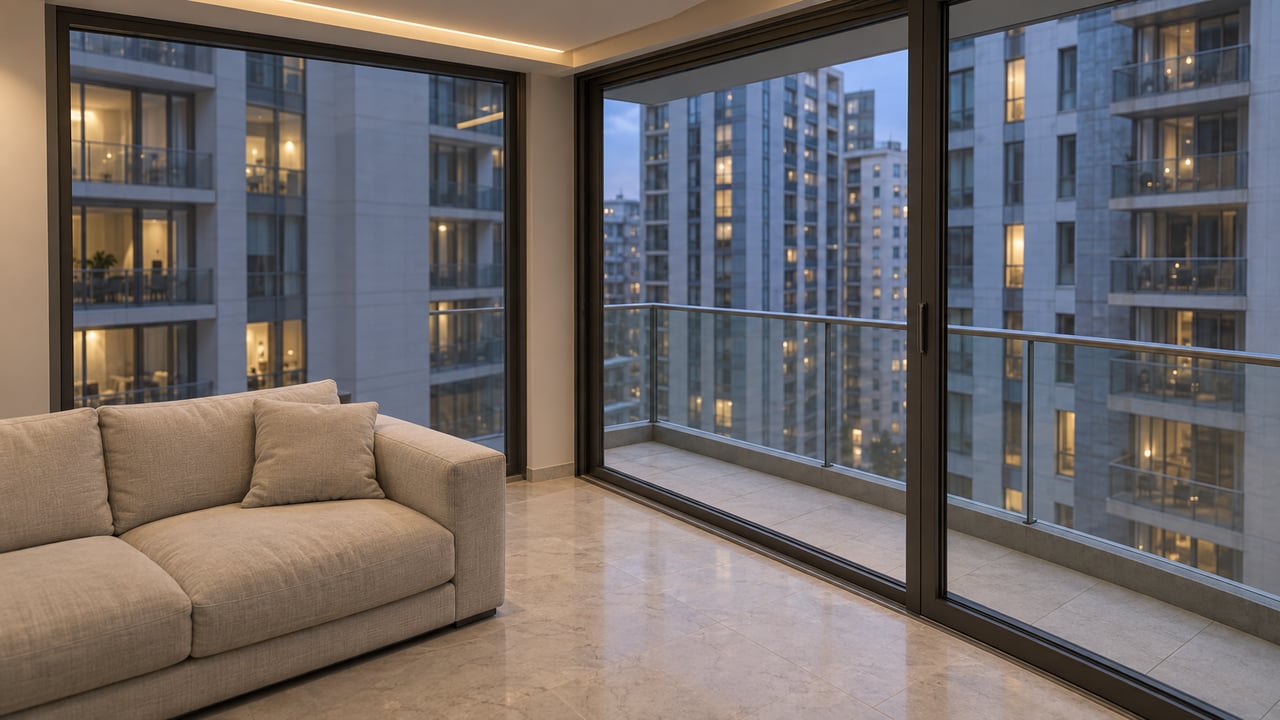
This is a market where branded and amenity-rich towers help define the residential identity. The result is a lifestyle that often feels closer to private hospitality than to traditional condominium living.
Branded residences shape the skyline
Waldorf Astoria Residences Miami says its Downtown tower will rise 100 stories and 1,049 feet above Biscayne Bay, with 360 branded luxury residences. Its listed amenities include a resort pool, signature restaurant, all-day dining brasserie, and kids club.
Aston Martin Residences at 300 Biscayne Boulevard Way also reflects the corridor’s high-service character. Its official materials describe 42,275 square feet of amenities across four floors, including an infinity pool, spa, fitness areas, sky bar and lounge, private dining, yacht marina, and butler service.
Lifestyle beyond the tower
What matters most is how these residences connect to the district around them. These buildings are not isolated from the city. They sit within a setting where arts venues, public waterfront space, transit, and year-round event programming are part of the same daily environment.
That combination is a large part of the value proposition. You are not simply buying views and amenities. You are buying into an urban pattern of living that feels active, connected, and distinctly Miami.
Who this lifestyle fits best
This corridor tends to appeal to buyers who want a residence that supports movement, access, and city energy. If you enjoy being near performances, museums, parks, and major events, the location can feel unusually complete.
It can also be a strong fit if you are drawn to branded residences and service-rich towers. In this part of Downtown, luxury often comes with concierge-style amenities, a prominent skyline presence, and immediate access to public life at the waterfront.
What to weigh before you buy
As with any urban core, fit matters. This area offers convenience and energy, but it also comes with the realities of density, event traffic, and an always-on atmosphere.
A smart buying decision here means looking beyond finishes and views alone. You should also consider how often you plan to use transit, how much you value walkability, and whether a culturally active, event-oriented setting matches your daily routine.
If you are exploring Downtown Miami’s branded and amenity-rich residences, working with a team that understands both the product and the surrounding lifestyle can make your search far more strategic. To explore curated opportunities in Greater Miami, connect with The Cofresi Group.
FAQs
What is Downtown Miami’s cultural corridor?
- Downtown Miami’s cultural corridor refers to the waterfront and arts-focused stretch that connects the Arts & Entertainment District, Museum Park, Bayfront Park, and the edge of the Central Business District toward Brickell.
What cultural venues are in Downtown Miami’s corridor?
- Major venues in the corridor include the Adrienne Arsht Center, Pérez Art Museum Miami, the Phillip and Patricia Frost Museum of Science, Kaseya Center, and Bayfront Park.
Is Downtown Miami walkable for daily living?
- Downtown Miami is highly walkable and increasingly connected, with the Baywalk and Riverwalk network expanding and a Pedestrian Priority Zone designed to improve comfort and safety.
Can you live in Downtown Miami without a car?
- A car-light lifestyle is realistic for many residents because Downtown has free Metromover service, Miami Trolley routes, Metrorail access, Metrobus connections, and regional rail access through MiamiCentral.
What kind of homes define Downtown Miami’s corridor?
- The corridor is largely defined by high-rise condominium living, including branded and amenity-rich towers that emphasize services, shared spaces, and waterfront or skyline access.
What should buyers know about event days in Downtown Miami?
- Event days can bring extra energy to the area, but they can also increase traffic, pedestrian activity, and crowd management near Bayfront Park, Kaseya Center, and the Arsht Center.