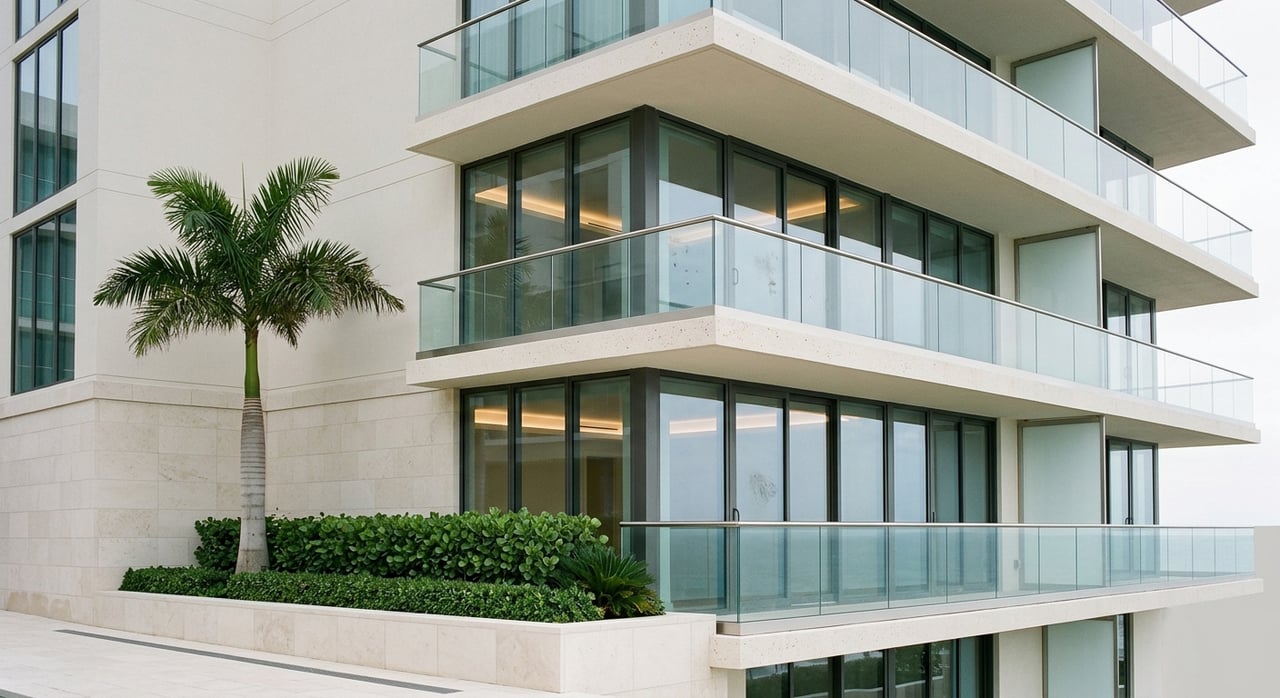
What does the future of oceanfront living look like when privacy, service, and long-term planning matter just as much as the view? In Bal Harbour, that question feels especially relevant because this is not just another beachfront address. If you are looking at Rivage Bal Harbour through both a lifestyle and ownership lens, you need to understand the setting, the product, and the market reality around it. Let’s dive in.
Why Bal Harbour Still Sets the Standard
Bal Harbour has evolved with unusual focus over decades. The village was master-planned after a 1929 land purchase, incorporated in 1946, and first emerged as a hospitality destination before growing into a luxury residential and retail enclave.
That history matters because Bal Harbour has never been defined by scale alone. It is a one-square-mile community at the northern tip of Miami Beach with a small permanent population and a carefully managed identity shaped by hospitality, retail, and oceanfront living.
Today, the village continues to invest in the parts of coastal living that support long-term value. Current public initiatives include Harbourfront Park and jetty reconstruction, beach renourishment, and underground utility modernization.
These are not small details. In 2025, beach renourishment involved more than 200,000 cubic yards of sand, and the village has also said that much of its utility infrastructure dates back to the 1940s and 1960s and is being modernized for long-term service.
Rivage Is Built Around Scarcity
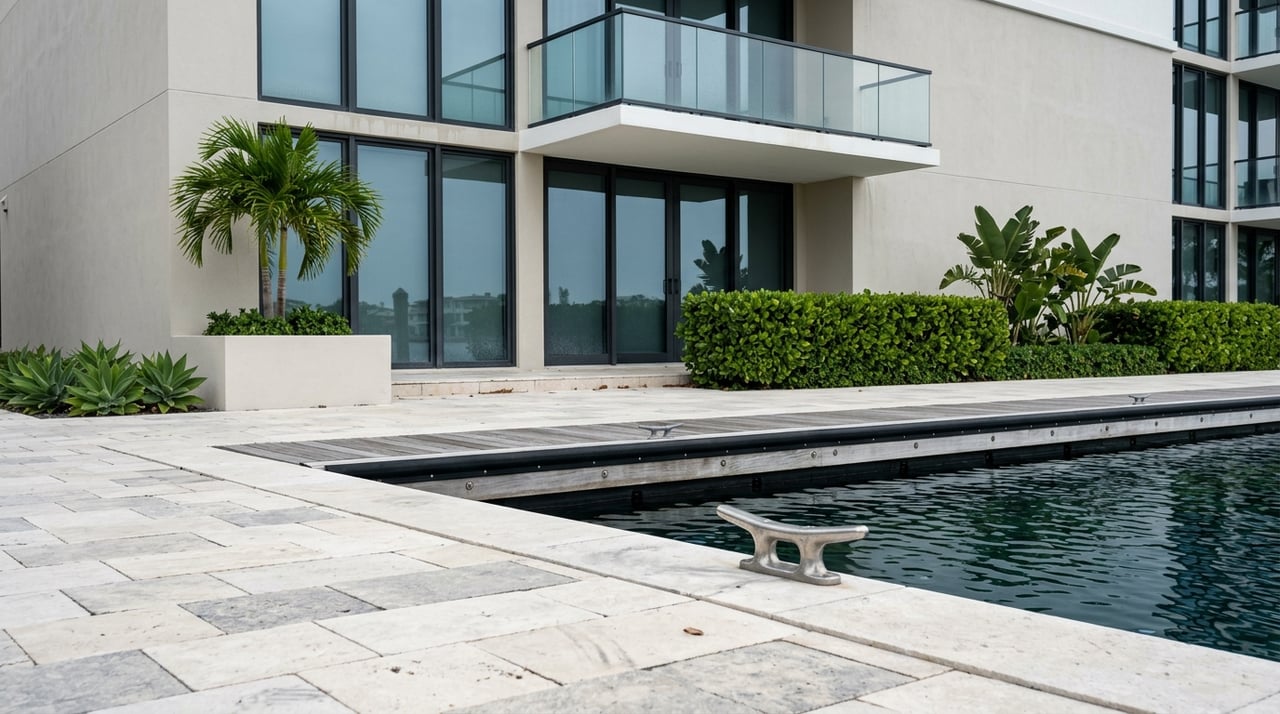
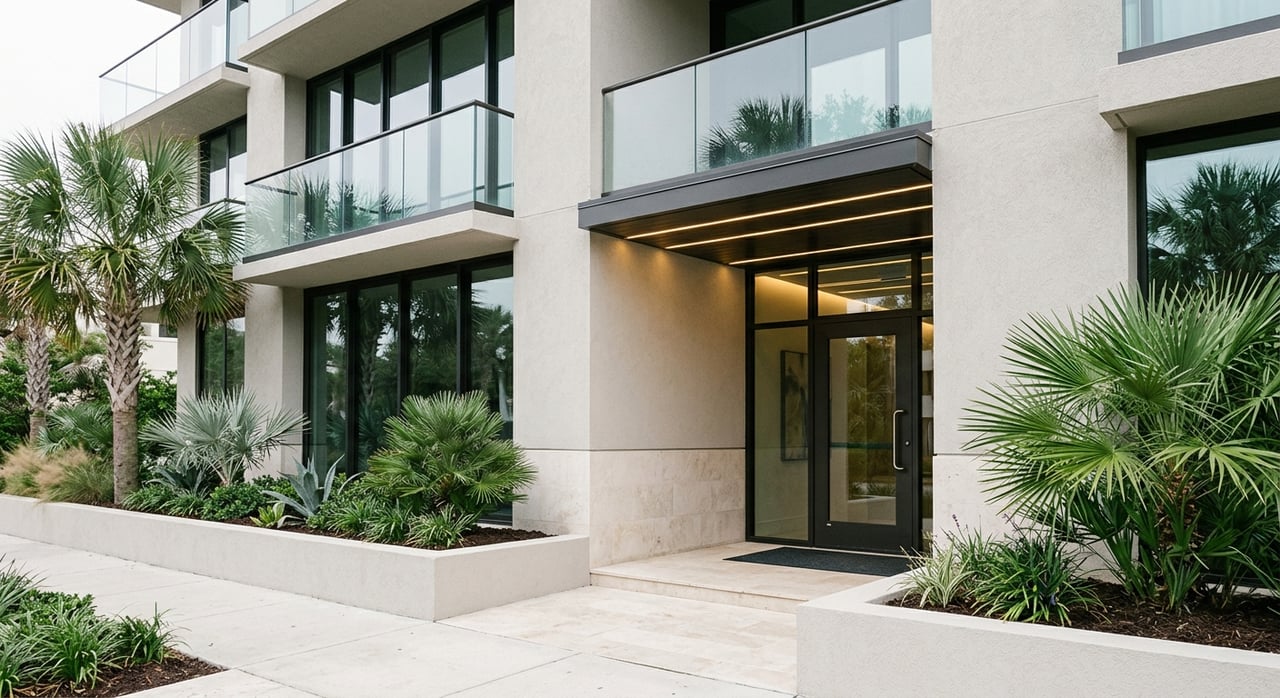
Rivage Bal Harbour stands out because it is designed as a low-density beachfront residence rather than a conventional high-rise condo. Official materials place it at 10245 Collins Avenue on 2.67 acres with 200 linear feet of private shoreline.
There is a small discrepancy in the published project details, with one source describing 24 stories and 61 family units and another describing 25 stories and 56 homes. Either way, the core takeaway is clear: Rivage is intentionally limited in scale.
That low-density approach is a major part of its appeal. In a market where many luxury towers still rely on a larger resident count, Rivage positions space, privacy, and direct access as defining features of the ownership experience.
Design Focuses on Large-Format Living
The design team reinforces that positioning. The tower is credited to SOM, with interiors by Rottet Studio and landscape architecture by Enea Garden Design.
Inside the building, the residence mix is notably large. Three-bedroom homes are listed from 3,284 to 3,297 square feet, four-bedroom homes from 4,215 to 4,810 square feet, and five-bedroom homes from 5,810 to 6,655 square feet.
The penthouse offerings move even further into legacy-asset territory. Published configurations include a lower penthouse at 9,464 square feet, a bay penthouse at 8,677 square feet, and an ocean penthouse at 12,603 square feet.
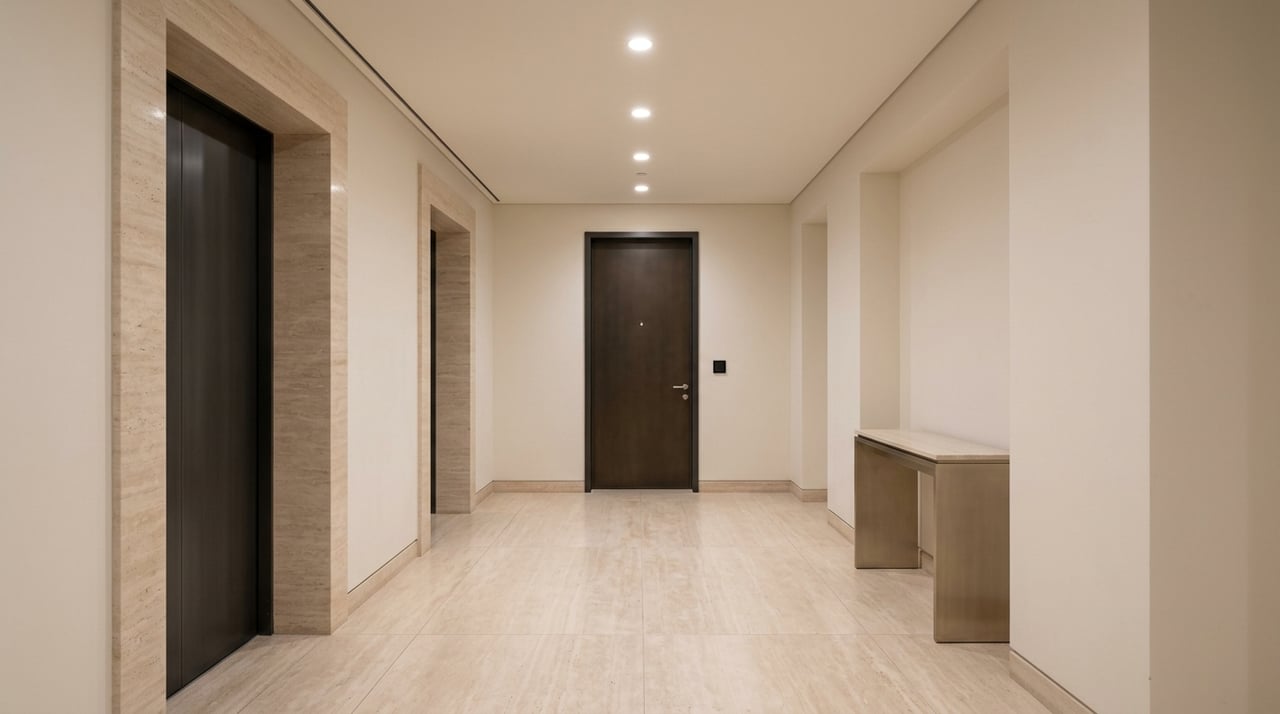
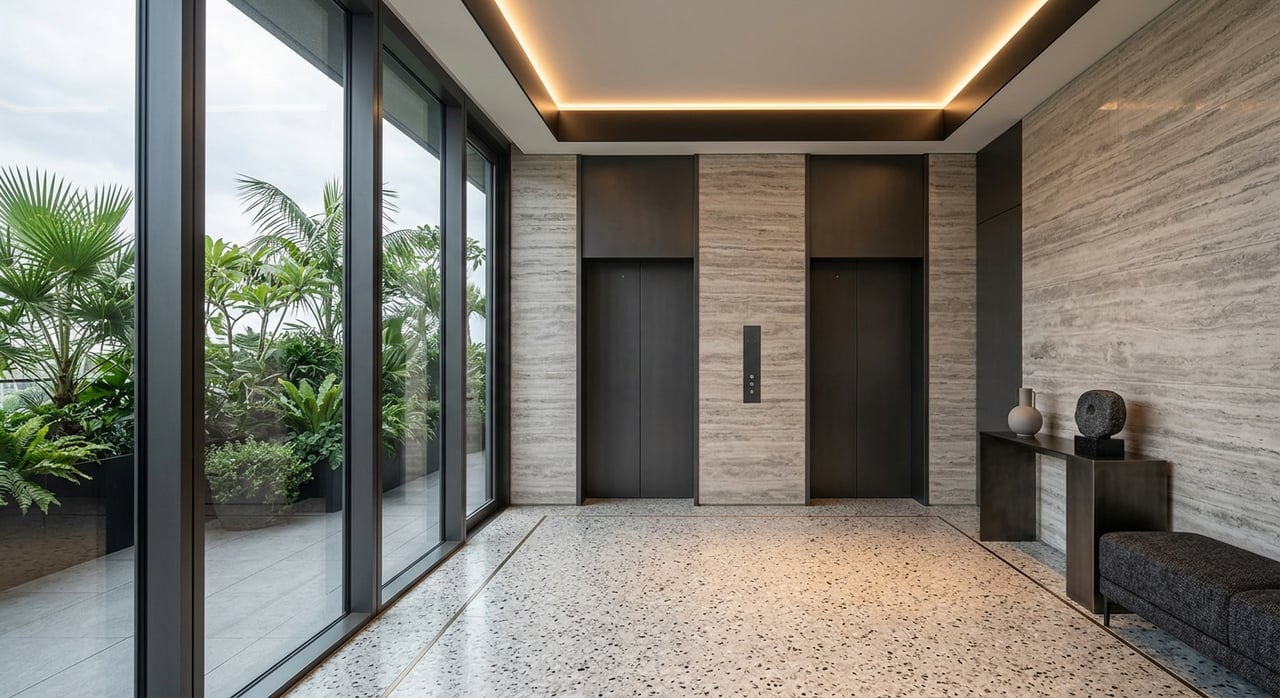
The in-home features match that scale. Official project materials highlight direct private-elevator entry, 10-foot ceilings, floor-to-ceiling windows, terraces up to 12 feet deep, and a two-car private garage with storage for every residence.
Service Is Part of the Product
If you are evaluating Rivage, the amenity package is only half the story. The other half is the service model, which pushes the building closer to a private resort experience.
The fact sheet calls for about 25,000 square feet of amenities. That includes an oceanfront dining experience, social lounges, a media room and library, resort-style pools, outdoor spa areas, pickleball and padel courts, a spa with sauna and hammam, a fitness center, beach club service, and dedicated children’s spaces.
The services go further than what many buyers expect from a standard condominium. Rivage lists a residential butler and estate manager, personal chef and shopping support, medical concierge, housekeeping, laundry and dry cleaning, maintenance, guest escorting, in-residence dining and catering, 24-hour security and valet, package handling, a house car, and an on-site general manager.
That matters because the future of oceanfront living is increasingly about time, ease, and consistency. For many buyers, true luxury is not just square footage. It is the ability to arrive, settle in, and have daily life handled at a very high level.
Rivage Fits Bal Harbour’s Luxury Ecosystem
Rivage does not exist in isolation. Part of its long-term appeal comes from the company it keeps within Bal Harbour’s broader luxury environment.
The St. Regis Bal Harbour remains one of the village’s best-known benchmarks. Official information describes it as a 27-story oceanfront resort on nine acres with 213 guest rooms and suites across three towers, direct ocean views, a 14,000-square-foot spa, two ocean-view pools, private beach access, and signature butler service.
The Ritz-Carlton Bal Harbour offers a different reference point. It is described as a 108-room boutique-style hotel with private terraces, suites with gourmet kitchens, a semi-private beach, cabanas and daybeds with food and beverage service, and a spa and fitness program. The resort is also undergoing a transformation with plans to welcome guests again starting in December 2026.
Taken together, these properties help define what buyers expect in Bal Harbour: strong service, oceanfront privacy, and an environment shaped by continued reinvestment. Rivage can be understood as a pure residential expression of that same local formula, with fewer homes and a stronger emphasis on private ownership.
The Public Realm Shapes the Private Experience
When you buy into a place like Bal Harbour, you are also buying into how the village manages itself. That is an important part of any conversation about the future.
The village has tied future decision-making to what it calls the Bal Harbour Experience. That broad vision includes resiliency work, placemaking, infrastructure upgrades, and public-space improvements that affect how residents move through and enjoy the area.
It also includes choices about the surrounding commercial environment. In April 2026, the village said an application for additional Bal Harbour Shops expansion remained incomplete and could not yet undergo technical review.
For you as a buyer, that means the area’s future is still being shaped by more than new towers alone. Retail, circulation, shoreline management, and public investment all influence how oceanfront ownership functions over time.
Luxury Demand Is Strong, but Timing Matters
Bal Harbour condos remain premium assets, but that does not mean they move quickly. Market data from Q1 2025 showed a median condo sale price of $2.2 million, 31 closed sales, 143 active listings, and 16.0 months of supply.
By Q2 2025, the same submarket showed 139 active listings, 17.0 months of supply, 100 days to contract, and sellers receiving 83.1% of original list price. That is an important reminder that even in prestigious coastal markets, resale timing can take months rather than weeks.
For a residence like Rivage, this creates a more nuanced ownership picture. Scarcity, service, and brand positioning may support long-term desirability, but you should still approach any purchase with a realistic holding-period mindset.
At the same time, luxury waterfront demand in Miami-Dade has a meaningful cash component. MIAMI REALTORS reported in 2026 that more than 70% of million-dollar condominium and townhome sales in the county were all-cash, which helps explain why the right asset can still attract serious buyers with strong deal certainty.
Rivage May Appeal as a Legacy Asset
For some buyers, Rivage is not just a residence. It may also function as part of a broader family wealth and estate strategy.
That is especially relevant in and around Bal Harbour, where wealth concentration remains exceptional. MIAMI REALTORS identified Bal Harbour as Miami-Dade’s top uber-luxury market for single-family sales at a $69.5 million threshold in its 2025 luxury-threshold report.
While that is not a condominium statistic, it does provide useful context. The village continues to attract buyers who think in terms of preservation, succession, and long-term family use, not just short-term enjoyment.
If that sounds like your perspective, ownership planning should start early. A beachfront property can be emotionally rewarding and financially meaningful, but title structure, tax treatment, and future transfer plans should be coordinated well before they become urgent issues.
Florida Ownership Planning Deserves Early Attention
If you plan to use a Bal Harbour residence as a primary home or long-term family asset, local property and estate rules matter. Miami-Dade Property Appraiser guidance says homeowners may transfer the Save Our Homes assessment difference to another Florida homestead, up to $500,000, if filing requirements are met.
There is also the inheritance side of the equation. The IRS generally states that inherited property basis is the fair market value on the date of death, while Florida Bar guidance warns that homestead property has special devise rules and that title planning through wills and revocable trusts needs careful handling.
In plain terms, it is smart to coordinate your real estate purchase with legal and tax guidance early. That is particularly true if the property may become a homestead, a multigenerational asset, or part of a carefully structured estate plan.
What the Future of Oceanfront Living Really Means
Rivage Bal Harbour points to a clear shift in what top-tier buyers want from beachfront ownership. The future is not just taller towers or more amenities. It is lower density, larger homes, stronger privacy, elevated service, and a location supported by active village-level investment.
In Bal Harbour, that formula feels especially durable because the setting has been curated over generations. You are not only buying into a building. You are buying into a village that continues to shape its shoreline, public realm, and luxury identity with intention.
If you are considering Rivage or comparing Bal Harbour’s next generation of oceanfront residences, working with a team that understands branded luxury positioning, new-development access, and long-term ownership strategy can make the search far more informed. To explore exclusive opportunities with The Cofresi Group, start the conversation today.
FAQs
What makes Rivage Bal Harbour different from a typical luxury condo?
- Rivage is positioned as a low-density beachfront tower with a limited number of large-format residences, private-elevator entry, deep service offerings, and direct shoreline access.
What should you know about Bal Harbour condo resale timing?
- Recent market data shows Bal Harbour condos can command premium pricing, but the market has had high inventory levels, 16.0 to 17.0 months of supply, and timelines that may stretch to around 100 days to contract.
What public investments are shaping Bal Harbour’s future?
- The village is investing in Harbourfront Park and jetty reconstruction, beach renourishment, and underground utility modernization, all of which support long-term coastal function and the public realm.
What ownership planning issues matter for a Bal Harbour residence?
- If the home may be a Florida homestead or a legacy asset, you should think early about title structure, portability rules, and estate planning because Florida homestead and inheritance issues can affect long-term outcomes.
What type of buyer may be drawn to Rivage Bal Harbour?
- Rivage may appeal to buyers who value privacy, large residences, high-touch service, and a long-term ownership perspective within one of Miami-Dade’s most tightly managed oceanfront villages.