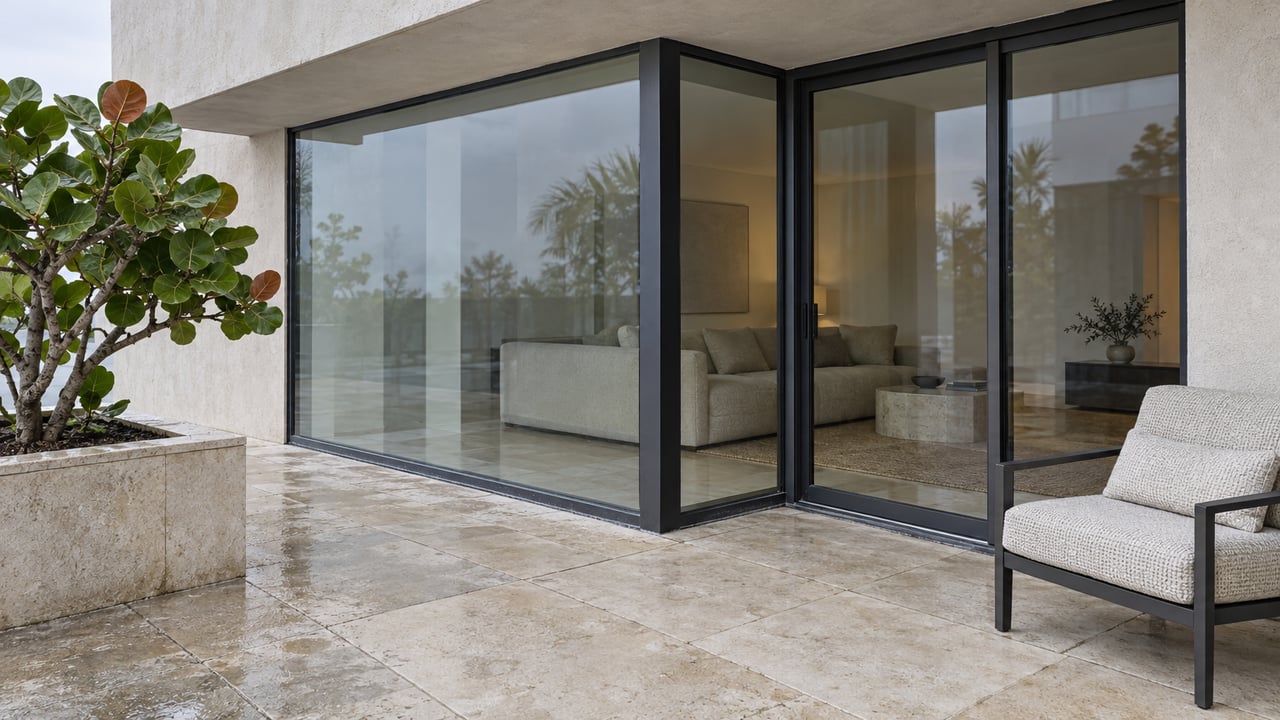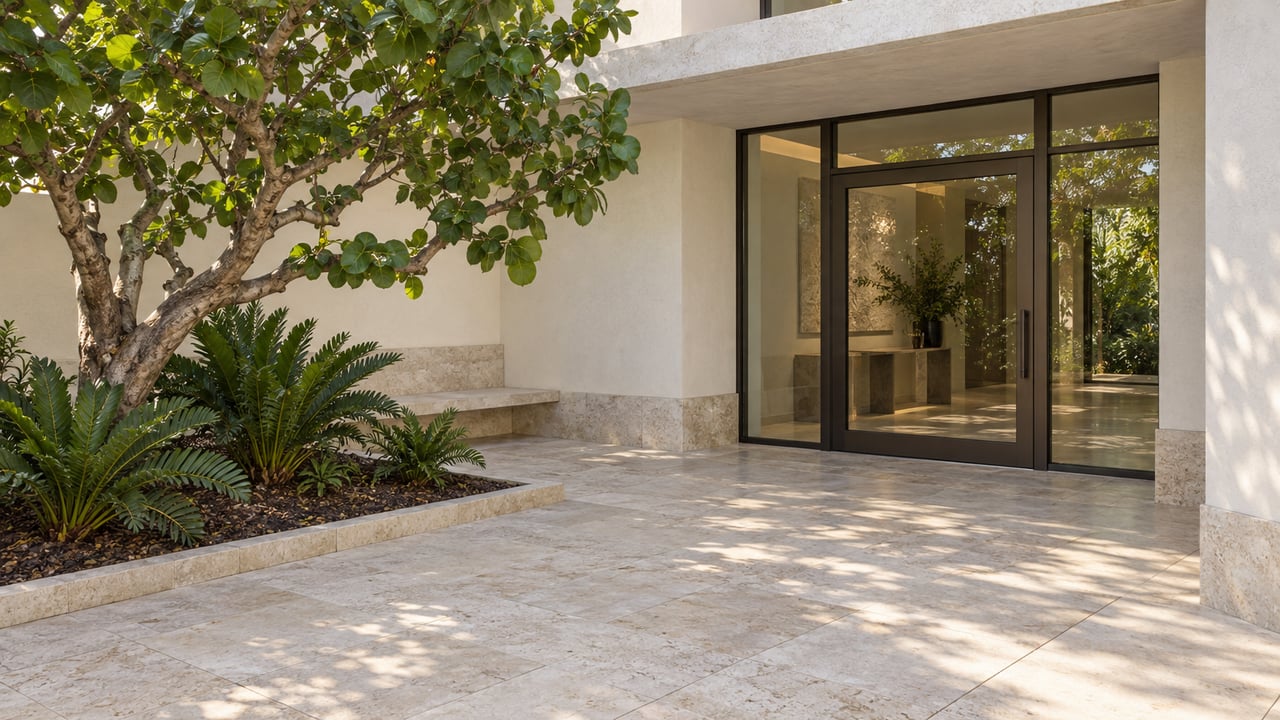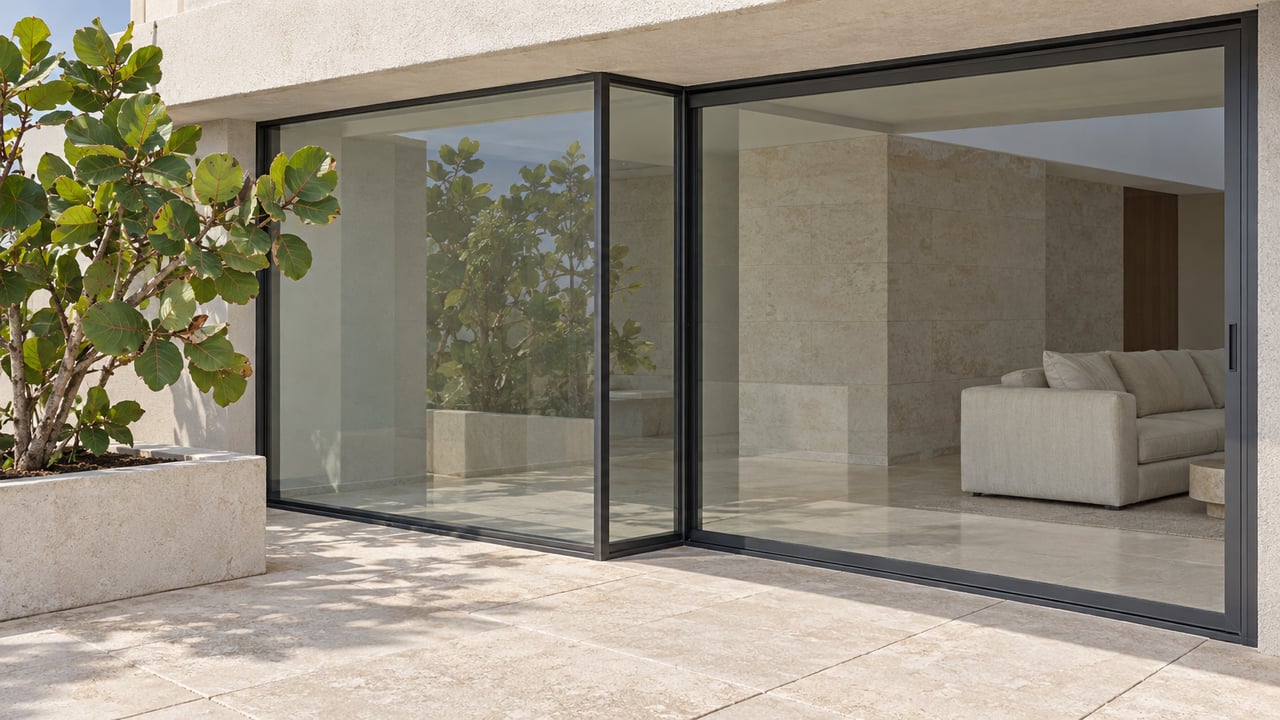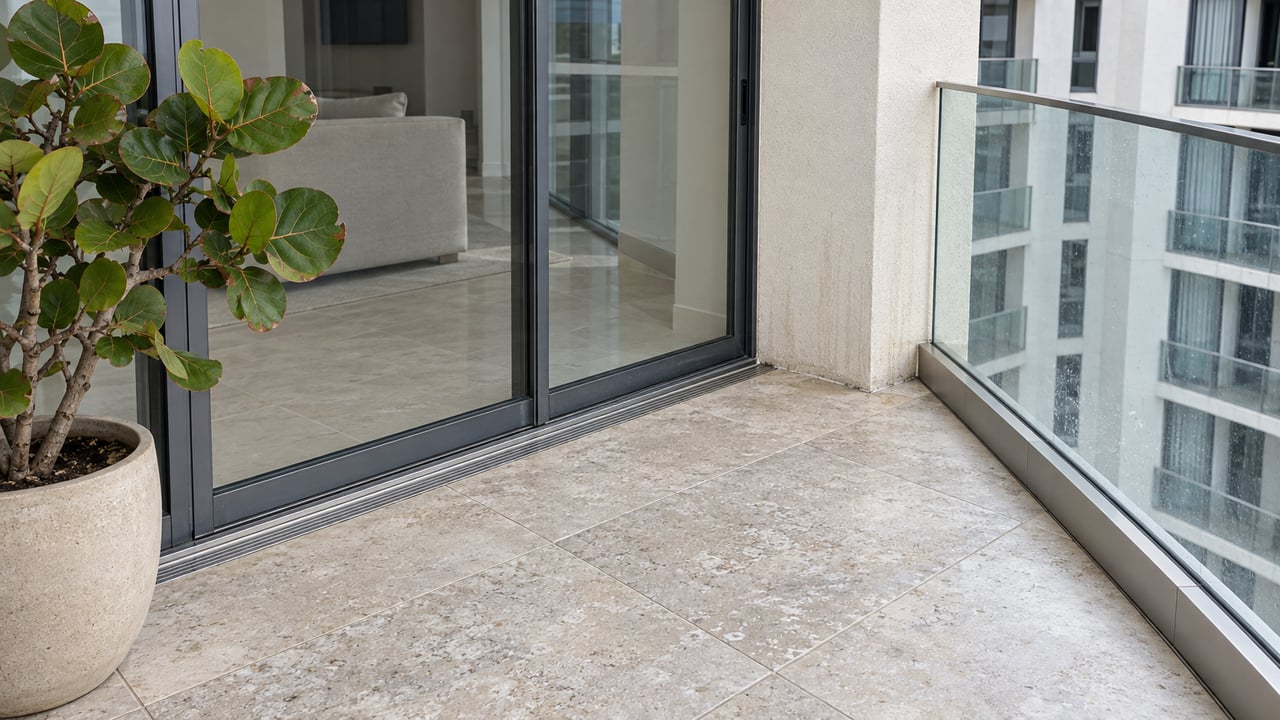
In September 2022, Two Roads Development hired Douglas Elliman to launch sales of Edition Residences in Edgewater: a 55-story tower with 185 units and prices starting at $1.7 million. Units ranged from 1,952-square-foot one-bedrooms to 3,864-square-foot four-bedrooms, topped by three three-story penthouses with rooftop pools. When the firm bought the site, it planned to finish the first tower by the end of 2026.
It is now October 2026. When the last legal dispute over the site was settled on August 31, the building that has to come down first, Biscayne 21 at 2121 North Bayshore Drive, was still standing.
Construction did not cause that delay. The holdup came from a legal step that has to happen before construction can start, and that step can affect any Edgewater presale built on a site that used to be a condominium.
Edgewater's Bayfront Sites Usually Come With Old Owners Attached
The Real Deal reported that developers pursue condo buyouts of waterfront buildings because there is so little undeveloped land on the water. These deals can take years, and how often they succeed depends heavily on the price offered, who the owners are and what shape the building is in.
Biscayne 21 shows how that works. It was a 1964-era, 192-unit bayfront building. In May 2022, a Two Roads affiliate bought most of its units for about $150 million. At the time, the plan called for three towers up to 649 feet tall with up to 750 units. Owning most of the units did not make the land available, though. A condo building cannot be knocked down until the condominium association has been legally terminated.
So a branded tower on a former condo site works on two schedules. One is the construction timeline in the sales materials. The other is the termination process, which runs on votes, filings and, sometimes, appeals.
How Four Years Disappeared at 2121 North Bayshore Drive
Using the account The Real Deal published on September 3, here is how the termination timeline played out:
- 2022. Two Roads launched Edition sales and filed its termination plan for the condo association.
- May 2023. Ten unit owners sued. They argued the developer-controlled association had illegally amended the declaration to lower the termination threshold.
- March 2024. The Third District Court of Appeal reversed a lower court and sided with the owners on their request for a temporary injunction, which blocked demolition.
- July 2025. More than a year after its opinion, the appeals court denied the developer's motion for rehearing.
- October 2025. The Florida Supreme Court declined to hear the case.
- January and February 2026. A Miami-Dade judge ordered the building restored to a habitable condition. The following month, the developer sued the remaining owners and asked the court for equitable relief, including termination of the association.
- August 31, 2026. Two Roads funded a settlement and bought the remaining units. A source told The Real Deal the price was about $50 million combined. A court still has to sign off.
Through all of this, the developer was paying interest on the financing it used for the buyout. Its 2022 purchase was financed with a $105 million senior mortgage from Bank OZK and a $45 million mezzanine loan from Lionheart Strategic Management. During those years, the planned delivery date in the sales materials was coming due while the site was still tied up in court.
The Vote Math That Decides the Calendar
Florida's rule for optional termination is in Section 718.117 of the 2026 Florida Statutes. Before a residential association can submit a termination plan to the state, at least 80 percent of the total voting interests must approve it. If 5 percent or more reject the plan, by voting no or filing written objections, it cannot proceed. Once a plan is rejected that way, another one cannot be considered for 24 months.
That is why, as The Real Deal noted, developers may try to secure just over 95 percent of a building. At 94 percent, a small group of owners can still block the plan and restart the clock. Every unit a developer has not acquired adds risk to a presale buyer's delivery date.
At Biscayne 21, the original declaration also shaped the outcome. It required 100 percent of owners to approve termination, and it did not include "Kaufman language," the phrase "as amended from time to time" that automatically applies later changes in state law to a declaration. According to the appeals court, lowering the threshold to 80 percent would have required all of the owners to agree. The court ruled that the amendment changed the owners' voting rights.
Both sides now say lawmakers should act. Two Roads' Taylor Collins told The Real Deal that Florida needs "a clear, fair and predictable process for terminating condominium associations." Glen Waldman of Armstrong Teasdale, the owners' attorney, told the same outlet that the building "was not a sick building. They had just put $6 million into it." The current statute's history shows no change to the 80 percent optional-termination threshold in the 2024 or 2026 sessions. The 2025 session law cited for the section reenacted part of it to reflect a change elsewhere in Chapter 718. For now, these rules still apply to any Edgewater site that is a condominium today.
What a Presale Deposit Is Doing While the Site Waits
When the land side stalls, a buyer's deposit is the one thing actually at stake, so the escrow rules in Section 718.202 carry real weight. Until construction is substantially complete, the developer must keep a buyer's payments up to 10 percent of the purchase price in escrow. For residential condominiums, the state division director may accept other assurances instead, such as a surety bond or an irrevocable letter of credit in the same amount. If the buyer properly terminates under the contract or the statute, those funds go back to the buyer with any interest earned.
Money above 10 percent follows different rules. It goes into a special escrow account, and the developer can withdraw it only after construction begins, and only if the contract allows it. Even then, it can be used only for actual construction and development costs. The statute's list of those costs includes demolition, site clearing and permit fees. Sales commissions, marketing, loan interest, attorney fees and insurance are excluded. A contract that allows this has to say so in bold on its first page, directly above the buyer's signature:
"ANY PAYMENT IN EXCESS OF 10 PERCENT OF THE PURCHASE PRICE MADE TO DEVELOPER PRIOR TO CLOSING PURSUANT TO THIS CONTRACT MAY BE USED FOR CONSTRUCTION PURPOSES BY THE DEVELOPER."
If a developer does not follow the section, the buyer can void the contract and get back all deposited sums, plus interest.
On a former condo site, demolition is listed as an eligible construction cost, so termination and site clearing are part of the period the escrow rules cover. Biscayne 21 shows how uneven that period can be. Realty Today reported that demolition work had already begun before a January 2026 court order required the building to be restored. After the settlement, the same outlet reported that Two Roads planned to demolish the remaining structure within two to three weeks and move directly into vertical construction. No report in the material reviewed confirms when that work resumed.
The Edition project also shows that a slow site affects people who are already under contract. In April 2026, a group of Edition buyers sued to recover their deposits, according to The Real Deal.
The Same Lens on Edgewater's Other Branded Options
Not every Edgewater presale carries this kind of land risk, and the differences between projects come down to stage. Villa Miami is actively selling 72 residences in a 56-story tower, priced from $5.8 million, with an estimated 2027 delivery. Aria Reserve's South Tower received its temporary certificate of occupancy in August 2025 and moved into closings. Once a tower is rising or closing, any question about terminating an older building on the site has already been resolved.
Further back in the pipeline, Edge House began vertical construction after a foundation pour of more than 7,000 cubic yards that lasted over 30 hours, Miami Today reported in August. The 53-story, 117-residence OKO Lilli Tower received a recommendation for approval from the city review board that same month, according to Miami Today. A review-board recommendation is a planning milestone. It says nothing about what is currently standing on the parcel.
The resale market is the other option for buyers who don't want a long wait. MIAMI REALTORS reported that Miami-Dade had 12.1 months of existing-condo supply in August 2026, which counts as a buyer's market. Sellers received 94 percent of their original list price, and 50.5 percent of condo sales were cash. Those figures exclude most new-construction and preconstruction sales. They describe the delivered inventory a presale buyer could choose instead.
Questions That Separate a Construction Timeline From a Land Timeline
- Was the parcel vacant land, a commercial site or a condominium? If it was a condo, has the termination plan been approved and recorded?
- If termination is still underway, what share of the voting interests does the developer control, and is it above the 95 percent level where objections can no longer block the plan?
- Does the contract carry the bold 10 percent legend, and has construction, including demolition, actually started?
- Who is the escrow agent, and how does the contract define the outside date for completion?
FAQ
Is Edition Residences Edgewater still moving forward? Taylor Collins told The Real Deal the project will go ahead as designed, with a longevity and wellness component and expanded food and beverage offerings. He said presales have been slow and that the sales center is expected to reopen in October or November 2026.
Can a small group of owners really stop a termination? Under the current statute, yes. Owners holding 5 percent of the total voting interests can stop an optional termination plan, and once a plan is rejected, another cannot be considered for 24 months.
Are reservation deposits treated the same way? Reservation deposits must be held in escrow and refunded in full on written request. After a purchase contract is signed, they fall under the sale-contract escrow rules.
The Cofresi Group works directly alongside developers on branded launches across Greater Miami, and in Edgewater that means checking a site's termination status and escrow terms before a reservation is signed. Receive Exclusive Listings, and we will walk you through where each Edgewater presale stands on both its construction timeline and its land timeline.
This article is general information, not legal, tax or financial advice. Consult a qualified professional about your situation.